Home › SCHOOL DAYS
SCHOOL DAYSAfter School Restraint Collapse: Why Your Sweet Kid Falls Apart at 4 PM
After school restraint collapse explains the 4 PM tears from a ‘good all day’ child. What the term means, why home gets the worst of it, and what helps.
The teacher says your child had a lovely day. Helpful, cheerful, no trouble at all. Then you get home, ask an innocent question about lunch, and your sweet kid dissolves into tears over absolutely nothing. Parents who meet after school restraint collapse for the first time usually assume someone is lying. Nobody is. You are both describing the same child, at different ends of their self-control.
What does after school restraint collapse actually mean?
Put plainly, it is this: young children spend the school day holding a lot together. They follow rules they did not choose, wait, share, cope with noise and social puzzles, manage missing you, and keep their feelings buttoned up in public. That holding-together costs energy. When they finally reach home — the safest place, with the safest person — the effort drops all at once, and everything they held in comes out sideways.
So the child who ‘saves it for Mum’ is not manipulating you, and, oddly, the meltdown is partly a compliment. You get the worst of them because you are where they do not have to perform. That knowledge does not make 4 p.m. pleasant, but it does change the story from ‘my child is great for everyone except me’ to ‘my child trusts me with the unfiltered version.’
Is it normal, and when should you check in?
For most children in the early school years, yes, some version of this is very common, especially in the first term, on tired weeks, and on days stacked with demands like tests, performances, or friendship drama. It tends to peak in the first hour after pickup and ease as routines settle.
Worth a calm chat with the teacher: tears that last all evening most days for many weeks, physical complaints every morning, sleep falling apart, or your child saying school feels bad in ways that go beyond tiredness. That conversation is not an accusation. Teachers would rather know a child is spending their evenings in pieces, and small adjustments are easier earlier than later.
What does the first hour after school need?
- Food before questions. A real snack within minutes of pickup is the closest thing to a magic trick here. Save ‘how was your day?’ until after the sandwich. Many children answer it better at dinner anyway, in fragments, on their own schedule.
- Connection before correction. Ten minutes of low-demand togetherness — a cuddle, a kickabout, sitting side by side — refills the tank that homework, chores, and reminders are about to draw on.
- Movement and daylight. After hours of sitting and holding still, bodies need to discharge. A run around, a bike ride, even walking the long way home helps the feelings move through instead of pooling.
- Fewer decisions. Do not greet a depleted child with a menu of choices about dinner, baths, and activities. Keep the afternoon shape predictable and decide most of it yourself for now.
What makes it worse without meaning to?
The interrogation at the school gate is the classic one: a rapid string of questions, requests, and reminders aimed at a child whose battery light is already flashing. So is an immediate screen that ends in a fight, a packed schedule of clubs every single day, and heavy homework battles launched before food. None of these makes anyone a bad parent. They are just expensive activities scheduled at the day’s most bankrupt hour.
Tools for the 4 p.m. version of your child
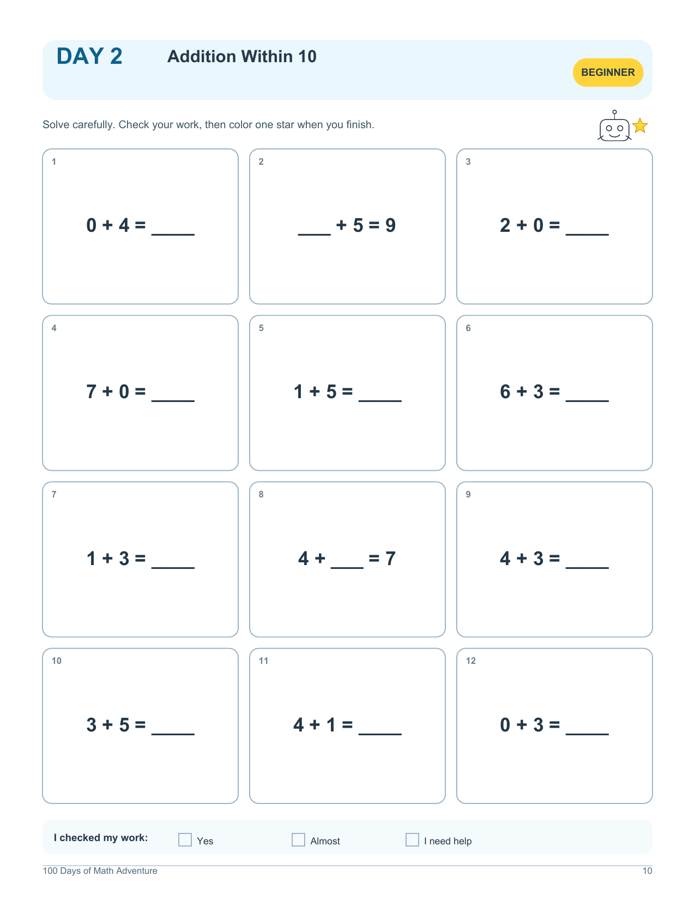
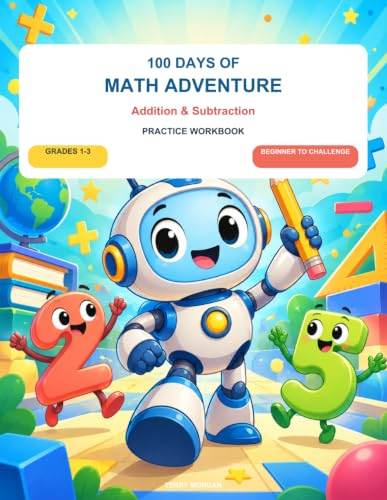
Gentle, absorbing activities bridge the gap between school mode and home mode. When My Tummy Flutters: Simple Ways to Soothe Anxiety helps children recognise that wound-up, fluttery end-of-day feeling and try simple ways to settle it. For ages 8-12, World Sleuth Academy: The Vanishing Atlas, with 60 detective logic puzzles, channels a busy brain into satisfying focus without a screen. And 100 Days of Math Adventure for Grades 1-3 turns homework-adjacent practice into short, confidence-building wins for younger kids.
Above all, try not to grade the day by its first hour home. Grade it by the whole evening. If by bath time your child is chatty, fed, and mostly themselves again, the system is working: school got their effort, home got their honesty, and you got the privilege — exhausting, real, and oddly tender — of being the place where they can finally stop holding it all together.

Books from our shelf that fit this article
- When My Tummy Flutters — Simple Ways to Soothe Anxiety
- World Sleuth Academy: The Vanishing Atlas — 60 Detective Logic Puzzles for Kids Ages 8-12
- 100 Days of Math Adventure — Addition & Subtraction Practice Workbook for Grades 1-3

Browse the whole Pooshop101 bookshelf
All 22 Pooshop101 books — stories, coloring books, puzzles and activity books for kids, grown-ups and grandparents.

Spooky Jobs Coloring Book
Bold and Easy Cute Halloween Animals with Jobs for Toddlers and Kids Ages 2-5
See it on Amazon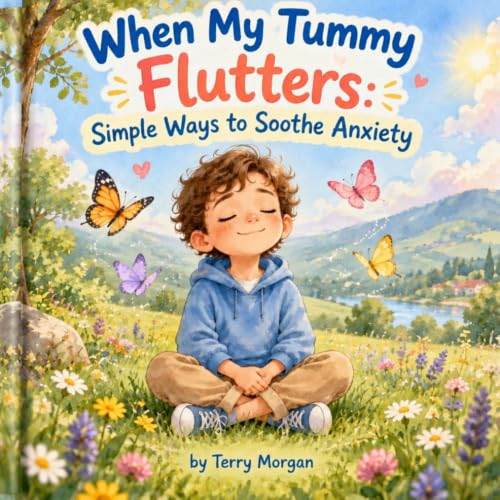


Junie Rae and the Quiet Gift
A Story About Listening, Faith, and the Gift Only You Can Give
See it on Amazon




Count Fang's Halloween Coloring Book
A Cute Animal Dracula Adventure for Kids Ages 4-8
See it on Amazon
The Christmas Memory Lane Activity Book for Seniors
Large-print holiday memories, puzzles and conversation starters
See it on Amazon
World Sleuth Academy: The Vanishing Atlas
60 Detective Logic Puzzles for Kids Ages 8-12
See it on Amazon

Cozy Season
A Bold and Easy Coloring Book for Adults, Teens & Kids — Fall, Halloween & Christmas
See it on Amazon



Not-So-Spooky Halloween Coloring Book
Friendly Halloween characters with simple designs for kids ages 3+
See it on Amazon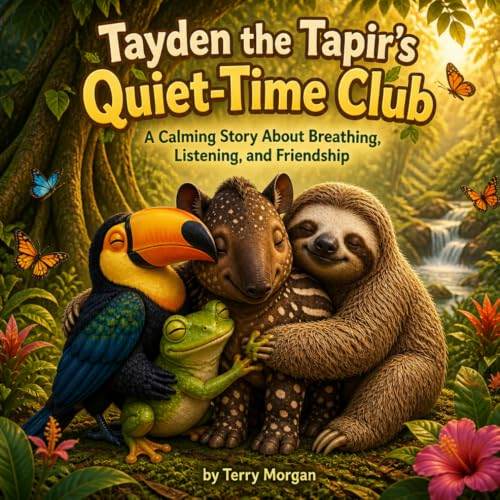
Tayden the Tapir's Quiet-Time Club
A Calming Story About Breathing, Listening, and Friendship
See it on Amazon
Capybara Halloween Coloring Book for Kids
Fun and creative capybara Halloween coloring pages
See it on Amazon
My First Christmas Dot Markers Activity Book
50 Big-Dot Holiday Pages for Toddlers Ages 2-4
See it on Amazon