Home › SLEEP & CALM
SLEEP & CALMBedtime Routine for Kids: The Wind-Down That Ends the 9 O'Clock Fight
A bedtime routine for kids that ends the nightly stalling: same steps, same order, dim lights early, and stories that help small bodies actually slow down.

It is 9 o'clock and your child needs water, has an urgent question about dinosaurs, and suddenly remembers a toy that must be found tonight. A bedtime routine for kids is not really about sleep techniques. It is about removing the nightly negotiation, because children stall hardest when every step is a fresh decision — and fresh decisions are arguments waiting to happen.
When the steps are always the same, in the same order, at roughly the same time, something shifts. Your child stops testing the edges of the evening because the edges stop moving. What follows will not make bedtime silent or instant. It will make it predictable, and predictable is what tired families actually need.
Why does my child fight bedtime so hard?
Usually it is not defiance. Bedtime is a separation, a hard stop on a fun day, and a moment when a tired brain loses its last bit of self-control. Add a too-late start — most routines begin when the child is already overtired — and you get the tears, the silliness, and the endless requests. The fix starts earlier than you think: if lights-out is 8, the routine should start by 7:30, and the wind-down should start before that.
Watch for the second wind and learn to beat it. Many kids get a wild burst of energy right before they crash, and parents mistake it for not being tired. It is the opposite. When the bouncing starts, the window is closing. Move the whole evening earlier by fifteen minutes for a week and see what changes before you change anything else.
What order should a bedtime routine for kids go in?
- Dim the house first. Lower lights and volume an hour before bed. The room sets the pace before you say a word.
- Bath or warm wash. Warm water, then cooler bedroom air, is a natural sleepy signal — and bath time burns off the last wiggles.
- Pajamas, teeth, toilet. The boring trio, always together, always in this order, no rearranging allowed.
- Two books, chosen before the bath. Choosing early kills the longest stall in the routine. When the second book closes, the story part is done.
- One short chat, then lights. A minute to hear the day's best and worst gives worries a place to go before the dark gets them.
Write the steps on a simple chart at your child's eye level, with pictures for little ones. Then point at the chart instead of arguing. It is remarkable how much authority a piece of paper has at 7:45 p.m. — the chart becomes the boss, and you get to be the kind parent just following it alongside them.
Stories That Help a Body Slow Down
The last book of the night carries a big job, so choose calm ones on purpose. Tayden the Tapir's Quiet-Time Club was made for this slot — a gentle, calming story about slowing down that gives restless kids a friendly model for settling. Pair it with When My Tummy Flutters: Simple Ways to Soothe Anxiety on nights when worries are the thing keeping your child awake; it names that fluttery feeling in plain words and offers simple ways to soften it, which is exactly the conversation that helps at lights-out.
For a child who loves a slightly bigger story, Junie Rae and the Quiet Gift makes a lovely weekend-night read — warm, unhurried, and the kind of tale that leaves a room feeling softer than it found it. Keep the exciting adventure books for the afternoon. Night is for stories that lower the heart rate, yours included.
What about the curtain calls?
Decide your rules before you need them. One drink, already on the nightstand. One extra hug, given generously. Then a calm, boring phrase you repeat like a recording: it is sleep time, I will see you in the morning. New and interesting responses at 9:15 are fuel; the same dull sentence, kindly delivered, is a lullaby. If your child leaves the bed, walk them back with as little conversation as you can manage.
Give the new routine two honest weeks before you judge it. The first three nights are often worse, because your child is checking whether the old system really is gone. Hold steady, stay kind, keep the chart boring — and by the second week, most families find the 9 o'clock fight has quietly moved out. What is left is not perfect sleep. It is something better: an evening that ends with both of you still liking each other.

Books from our shelf that fit this article
- Tayden the Tapir's Quiet-Time Club — A Calming Story About Breathing, Listening, and Friendship
- When My Tummy Flutters — Simple Ways to Soothe Anxiety
- Junie Rae and the Quiet Gift — A Story About Listening, Faith, and the Gift Only You Can Give

Browse the whole Pooshop101 bookshelf
All 22 Pooshop101 books — stories, coloring books, puzzles and activity books for kids, grown-ups and grandparents.

Spooky Jobs Coloring Book
Bold and Easy Cute Halloween Animals with Jobs for Toddlers and Kids Ages 2-5
See it on Amazon


Junie Rae and the Quiet Gift
A Story About Listening, Faith, and the Gift Only You Can Give
See it on Amazon





Count Fang's Halloween Coloring Book
A Cute Animal Dracula Adventure for Kids Ages 4-8
See it on Amazon
The Christmas Memory Lane Activity Book for Seniors
Large-print holiday memories, puzzles and conversation starters
See it on Amazon
World Sleuth Academy: The Vanishing Atlas
60 Detective Logic Puzzles for Kids Ages 8-12
See it on Amazon

Cozy Season
A Bold and Easy Coloring Book for Adults, Teens & Kids — Fall, Halloween & Christmas
See it on Amazon



Not-So-Spooky Halloween Coloring Book
Friendly Halloween characters with simple designs for kids ages 3+
See it on Amazon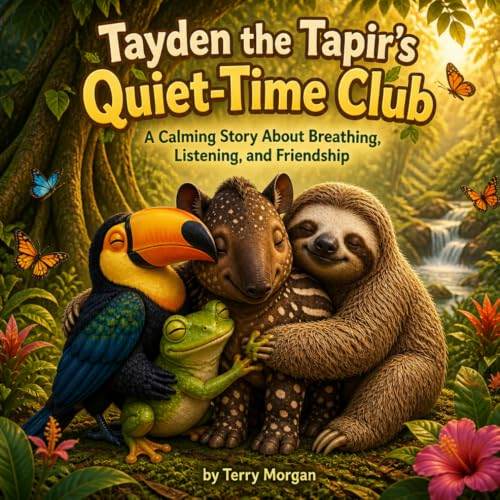
Tayden the Tapir's Quiet-Time Club
A Calming Story About Breathing, Listening, and Friendship
See it on Amazon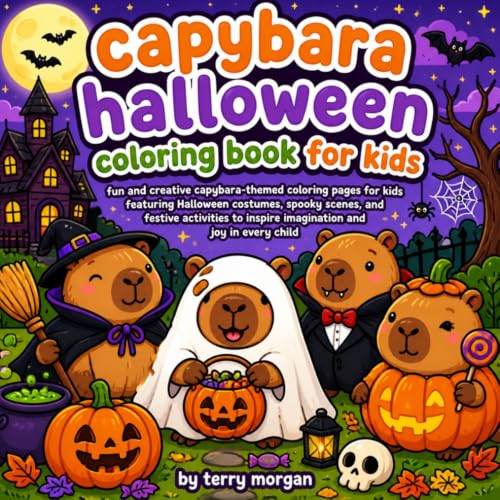
Capybara Halloween Coloring Book for Kids
Fun and creative capybara Halloween coloring pages
See it on Amazon
My First Christmas Dot Markers Activity Book
50 Big-Dot Holiday Pages for Toddlers Ages 2-4
See it on Amazon