Home › FEELINGS & CALM
FEELINGS & CALMButterflies in the Tummy: Talking About Kids Anxiety in Simple Words
Kids anxiety often starts as butterflies in the tummy. Here are gentle, simple ways to name worried feelings, listen well, and help your child feel safe.
My tummy feels funny. It is one of the first ways many children describe worry, long before they have words like nervous or anxious. When we talk about kids anxiety at home, that fluttery tummy is a good place to start, because it is honest, physical, and something a child can point to.
You do not need perfect words. You need calm ones, used early and often, so worry becomes something your family can name out loud instead of something your child carries alone.
What Does Kids Anxiety Look Like at Home?
It rarely announces itself clearly. It might look like a stomachache before school, tears over a small change of plans, endless questions about tomorrow, or a child who suddenly needs you in the room at bedtime. It can also look like grumpiness, silliness that will not settle, or a meltdown that seems to come from nowhere.
None of those moments, on their own, mean something is wrong with your child. They are signals. A child who can say my tummy has butterflies is already doing brave work. Your job is to receive that message without panic or dismissal.
What Should I Say When My Child Feels Worried?
Start with the feeling, not the fix. Try simple sentences you can repeat:
- Your tummy feels fluttery. That can happen when we feel worried.
- I am right here. We can sit with this feeling together.
- Feelings come and go, even the uncomfortable ones.
- Would you like a hug, some water, or a quiet minute?
Notice what is missing: promises you cannot keep and quick brush-offs like there is nothing to worry about. A child hears that as my feeling is wrong. Naming the feeling, calmly and more than once, teaches that worry is a weather pattern, not a character flaw.
What Helps in the Moment?
Keep the menu small and familiar. Slow breathing together, counting each out-breath out loud, often helps a child settle simply because you are doing it side by side. A drink of water, a cold flannel on the face, a walk to the mailbox, or squeezing a pillow tight and letting go can all give a busy body something gentle to do.
Routine helps too. Worried kids relax when they know what comes next, so preview the day in plain words at breakfast. Warn about changes when you can. And keep your own voice and face steady. Children read us before they listen to us.
What About Bedtime Worries?
Anxiety loves a quiet, dark room because there is nothing else competing for attention. A short, predictable wind-down, a nightlight your child chooses, and a rule that worries get one sentence each before the goodnight script can keep bedtime from becoming a nightly conference. If a worry is big, write it on a sticky note together and agree to talk about it in the morning light. Some children love having a worry spot, a little box or notebook where the fear can wait outside the bed.
Stories That Give Worry a Shape
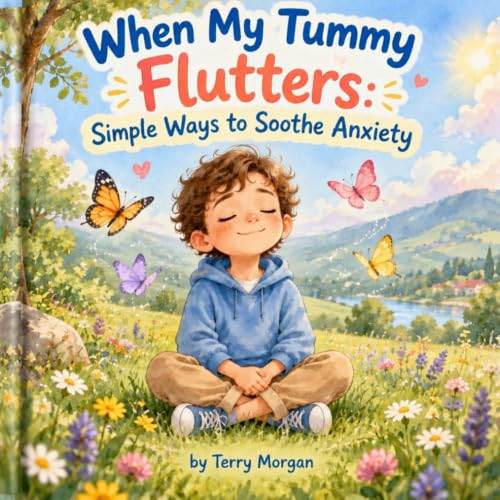
Books let a child look at a feeling from a safe distance. When My Tummy Flutters: Simple Ways to Soothe Anxiety was made for this conversation, giving families simple ways to talk about fluttery feelings and soothe them together. Tayden the Tapir's Quiet-Time Club shows a slower pace in story form, which suits a child who needs to see calm modeled gently. And Junie Rae and the Quiet Gift offers a soft, reassuring read for tender evenings when words are hard to find.
Read without turning it into a lesson. Let your child interrupt, ask, or just listen. The conversation often comes in the car the next day, not on the page.
When Should I Ask for More Help?
If worry regularly keeps your child from school, sleep, friends, or family life, or if your gut keeps telling you something bigger is going on, talk with your child's doctor or another trusted professional. Asking is not overreacting. It is parenting. This article is simply about everyday family conversation, not a substitute for personal guidance about your child.
For most ordinary fluttery days, though, your calm presence is the headline. Butterflies in the tummy are a child's honest language. When you learn to hear it, answer it simply, and stay close while it passes, you teach something that lasts far beyond one worried afternoon: feelings can be named, shared, and carried together.

Books from our shelf that fit this article
- When My Tummy Flutters — Simple Ways to Soothe Anxiety
- Tayden the Tapir's Quiet-Time Club — A Calming Story About Breathing, Listening, and Friendship
- Junie Rae and the Quiet Gift — A Story About Listening, Faith, and the Gift Only You Can Give

Browse the whole Pooshop101 bookshelf
All 22 Pooshop101 books — stories, coloring books, puzzles and activity books for kids, grown-ups and grandparents.
Spooky Jobs Coloring Book
Bold and Easy Cute Halloween Animals with Jobs for Toddlers and Kids Ages 2-5
See it on Amazon
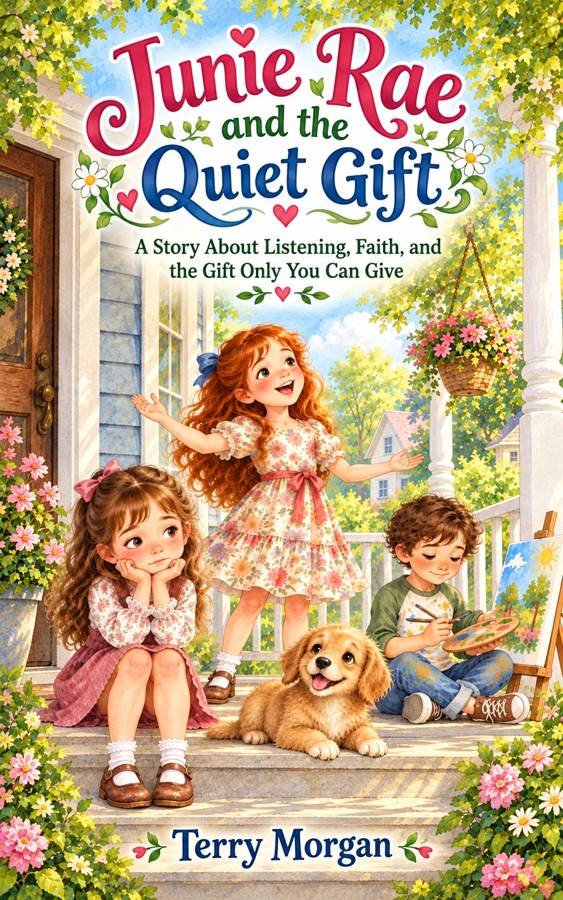
Junie Rae and the Quiet Gift
A Story About Listening, Faith, and the Gift Only You Can Give
See it on Amazon



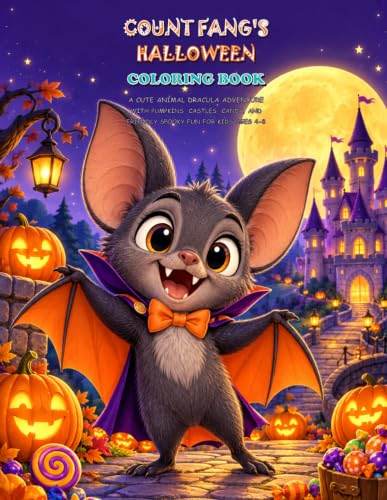
Count Fang's Halloween Coloring Book
A Cute Animal Dracula Adventure for Kids Ages 4-8
See it on Amazon
The Christmas Memory Lane Activity Book for Seniors
Large-print holiday memories, puzzles and conversation starters
See it on Amazon
World Sleuth Academy: The Vanishing Atlas
60 Detective Logic Puzzles for Kids Ages 8-12
See it on Amazon

Cozy Season
A Bold and Easy Coloring Book for Adults, Teens & Kids — Fall, Halloween & Christmas
See it on Amazon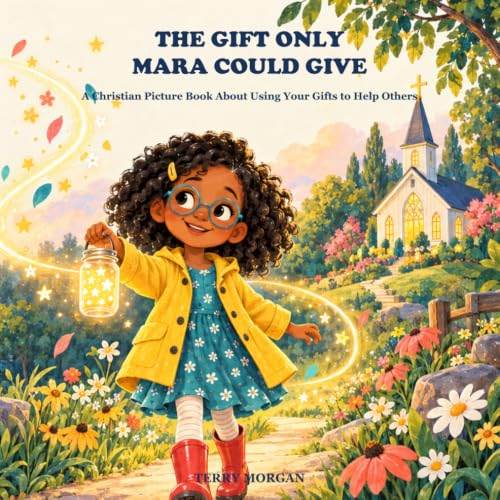



Not-So-Spooky Halloween Coloring Book
Friendly Halloween characters with simple designs for kids ages 3+
See it on Amazon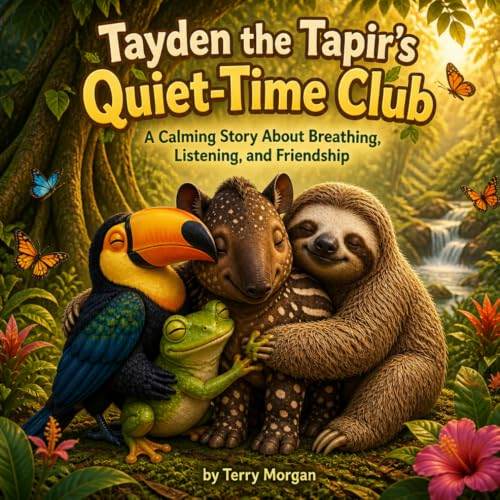
Tayden the Tapir's Quiet-Time Club
A Calming Story About Breathing, Listening, and Friendship
See it on Amazon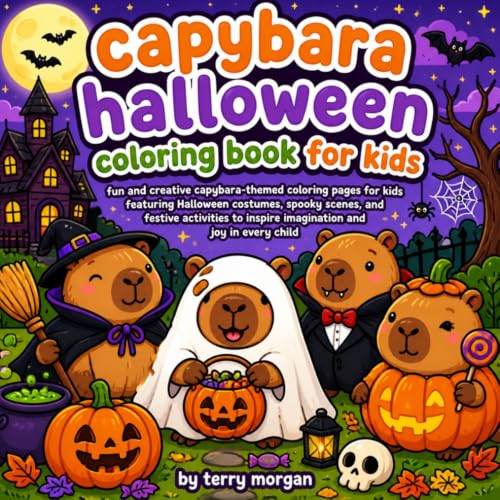
Capybara Halloween Coloring Book for Kids
Fun and creative capybara Halloween coloring pages
See it on Amazon
My First Christmas Dot Markers Activity Book
50 Big-Dot Holiday Pages for Toddlers Ages 2-4
See it on Amazon