Home › FEELINGS & CALM
FEELINGS & CALMChild Scared of the Dark? Small Steps That Help Kids Feel Brave
When your child scared of the dark dreads bedtime, small steps work best: honest talk, a light plan, brave practice in daylight, and stories that help.

Almost every family meets it eventually: a child scared of the dark who was fine last month and now needs the hallway light, the door open, and one more check under the bed. It can start after a storm, a scary picture in a book, a move to a new room, or nothing you can name at all. The fear is real to them even when the room is perfectly safe, and that is exactly where your help has to start.
The path out is not one big brave leap. It is a staircase of tiny steps, taken in daylight as often as at night, with you calm beside them. Most children do not need the fear erased. They need proof, gathered slowly, that they can feel scared and still be okay — because that proof is what brave actually means.
Start by Believing a Child Scared of the Dark
The words that help most are the simplest: the dark feels scary to you, and I am right here. Skip the teasing, skip the logic about monsters not existing — a frightened brain at 8 p.m. is not holding a debate. When a child feels believed, their body settles a notch, and a settled body can learn. When they feel dismissed, the fear just gets louder to win the argument.
Ask what, specifically, worries them, and listen for the fixable details hiding inside the big fear. Sometimes it is a shadow the closet door throws. Sometimes it is a noise the house makes. Sometimes it is simply the moment you leave. Each answer suggests a different small kindness: moving a chair, explaining the radiator's click, or adding a predictable goodnight phrase you say every single night without fail.
Build a Light Plan Together
- Let them choose the night-light. A light they picked feels like their tool, not your concession. Warm and dim beats bright and white.
- Dim in stages. Bright light for stories, softer light for the last chat, night-light only for sleep. The slow fade teaches eyes and nerves together.
- Do a room check as a team. Closet, curtains, under the bed — done together, at the same point in the routine, then done. Checking endlessly on demand feeds the fear; checking once, together, retires it for the night.
- Leave a comfort object on duty. A stuffed guardian with an official job — watching the door — gives a child something to trust in besides willpower.
Practice Brave in the Daylight
Confidence grows fastest when nobody is tired. Play flashlight games in a dim room in the afternoon. Hide a beloved toy and let your child find it with a torch, cheering each small search. Read a gentle adventure like Tyler and the Lantern That Lost Its Glow, our Halloween adventure about a lantern finding its light again — it gives children a story-shape for exactly their situation: something precious goes dim, friends help, and the glow comes back. Stories let kids rehearse courage from the safety of your lap.
For nightly settling, Tayden the Tapir's Quiet-Time Club offers a calming wind-down with a character who treats quiet as something friendly rather than frightening. And when the fear comes tangled up with a fluttery, worried feeling, When My Tummy Flutters: Simple Ways to Soothe Anxiety helps children name what their body is doing and try simple ways to soften it — a skill that serves them far beyond the bedroom doorway.
What If It Is Not Getting Better?
Small steps work on a slow clock. Expect weeks, not nights, and look for direction rather than perfection: falling asleep a little faster, one fewer call-out, a door open a little less. Celebrate those inches out loud. Brave practice that gets noticed gets repeated.
If the fear is growing instead of shrinking, if sleep is badly broken for the whole family for a long stretch, or if daytime anxiety is spreading too, bring it to your child's doctor — not because something is terribly wrong, but because an outside perspective sometimes spots a simple cause, like a new medication, a vision issue, or a rough patch at school. Asking is part of the staircase too. Step by small step, with you beside them, most children discover the dark is just the room they love, with the lights turned low — and that they were brave enough for it all along.

Books from our shelf that fit this article
- Tyler and the Lantern That Lost Its Glow — A Not-Too-Spooky Halloween Adventure
- Tayden the Tapir's Quiet-Time Club — A Calming Story About Breathing, Listening, and Friendship
- When My Tummy Flutters — Simple Ways to Soothe Anxiety

Browse the whole Pooshop101 bookshelf
All 22 Pooshop101 books — stories, coloring books, puzzles and activity books for kids, grown-ups and grandparents.

Spooky Jobs Coloring Book
Bold and Easy Cute Halloween Animals with Jobs for Toddlers and Kids Ages 2-5
See it on Amazon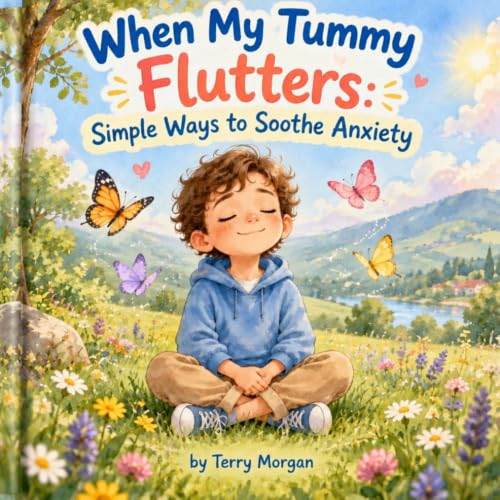

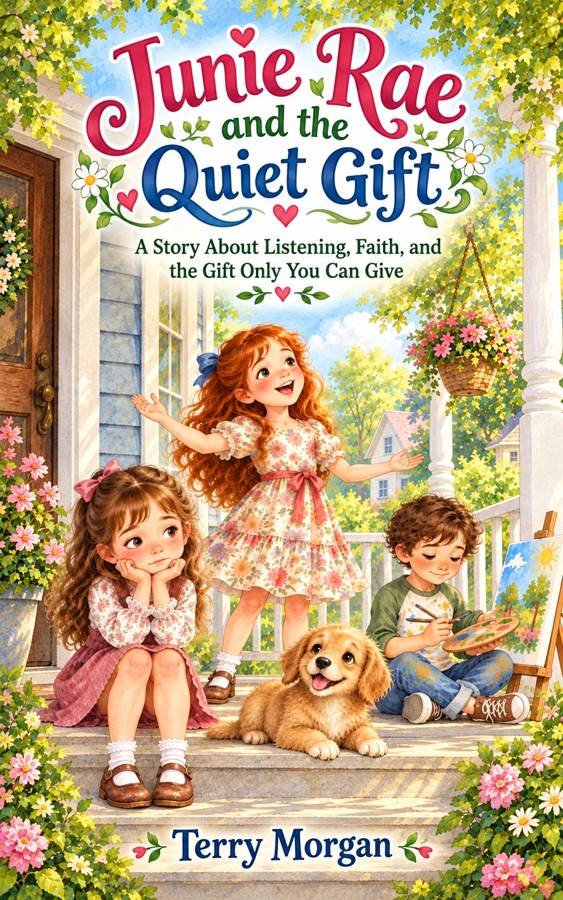
Junie Rae and the Quiet Gift
A Story About Listening, Faith, and the Gift Only You Can Give
See it on Amazon




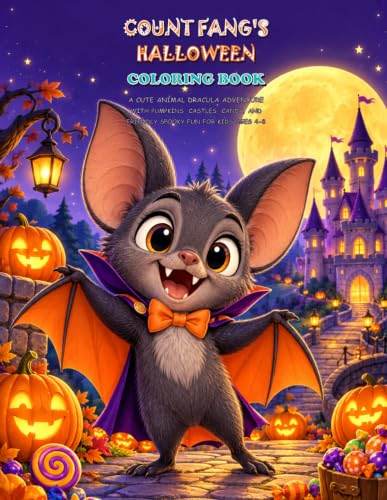
Count Fang's Halloween Coloring Book
A Cute Animal Dracula Adventure for Kids Ages 4-8
See it on Amazon
The Christmas Memory Lane Activity Book for Seniors
Large-print holiday memories, puzzles and conversation starters
See it on Amazon
World Sleuth Academy: The Vanishing Atlas
60 Detective Logic Puzzles for Kids Ages 8-12
See it on Amazon

Cozy Season
A Bold and Easy Coloring Book for Adults, Teens & Kids — Fall, Halloween & Christmas
See it on Amazon



Not-So-Spooky Halloween Coloring Book
Friendly Halloween characters with simple designs for kids ages 3+
See it on Amazon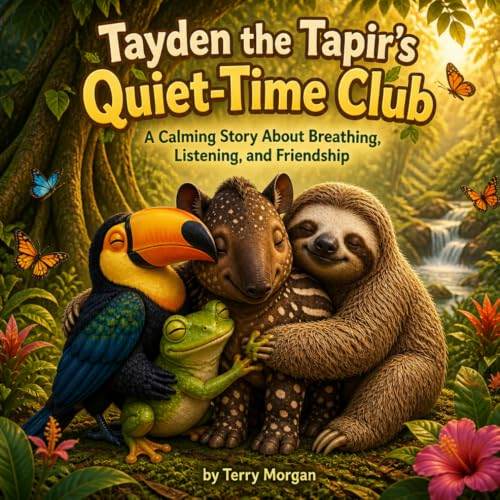
Tayden the Tapir's Quiet-Time Club
A Calming Story About Breathing, Listening, and Friendship
See it on Amazon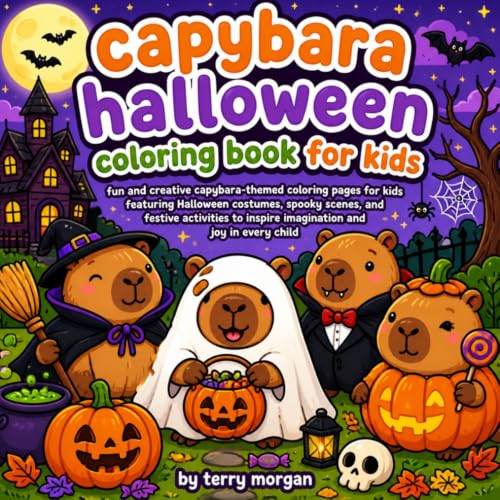
Capybara Halloween Coloring Book for Kids
Fun and creative capybara Halloween coloring pages
See it on Amazon
My First Christmas Dot Markers Activity Book
50 Big-Dot Holiday Pages for Toddlers Ages 2-4
See it on Amazon