Home › FEELINGS & CALM
FEELINGS & CALMHow to Stay Calm During Toddler Meltdown Moments (When You Feel Anything But)
Learning to stay calm during toddler meltdown moments is a skill, not a personality. Practical ways to steady yourself first, then help your child.
Your toddler is on the kitchen floor because the banana broke. Your own voice is rising before you can catch it, your jaw is tight, and somewhere under the noise you are thinking: I am the adult, I should be able to stay calm during toddler meltdown moments like this. That thought, kindly meant, is not helping. Calm in a meltdown is not a personality trait some parents were issued. It is a skill, built in ugly little moments exactly like this one.
Why your body reacts before your brain can
Crying is designed to be hard to ignore. A child’s distress sound hits a parent’s nervous system fast, and if you are tired, hungry, touched out, or already running late, your body may read the meltdown as an emergency of your own. Heart up, thoughts racing, urge to fix it right now or make it stop right now. That surge is biology, not failure.
Naming that helps more than scolding yourself. ‘My body is revved up. I need ten seconds before I use my voice.’ A parent who pauses is not ignoring their child. They are making sure the next thing their child hears is steadier than the storm already in the room.
A short script for the hardest sixty seconds
- Plant your feet and drop your shoulders. It sounds too small to matter until you try it mid-shout. Your body takes cues from itself; unclenching your hands genuinely helps unclench your voice.
- Breathe out longer than you breathe in. One slow exhale while your child screams is enough to start. You are not doing a wellness routine on the kitchen floor. You are buying your brain a few seconds.
- Say less, lower. Pick one short line and repeat it: ‘I am here. You are mad. I will stay.’ Fewer words, said low and slow, are easier for a flooded child — and a flooded parent — to hold onto.
- Make the scene safe, then wait nearby. Move the hard toy, shift the sibling, sit down at their level without grabbing. Some meltdowns need holding; some need space with you visibly present. Either way, safety first, teaching later.
What not to chase in the middle
The middle of a meltdown is the worst classroom. Lessons about sharing, gratitude, or why the banana cannot be unbroken will not land, because the part of your child that learns is temporarily offline. Trying to teach anyway usually escalates both of you — them because they feel unheard, you because your perfectly reasonable words are bouncing off.
Save the teaching for the calm after. A two-sentence replay later — ‘The banana broke and you were so mad. Next time you can say help’ — does more than a lecture delivered over screaming. Repair matters too. If you did shout, a simple ‘I shouted and I am sorry. I love you’ models exactly the recovering you hope they will learn.
How to stay calm during toddler meltdown season, not just today
Meltdowns cluster. Teething weeks, growth spurts, new siblings, skipped naps, the hungry hour before dinner. If you can spot your household’s patterns, you can staff them: a snack before the known danger window, a shorter trip, an earlier bath. Prevention is not permissiveness. It is logistics, and logistics is a legitimate parenting skill.
Your own basics count in the same ledger. A parent running on four hours of sleep and coffee is being asked to regulate two nervous systems on an empty tank. Eat something. Swap out with a partner or step onto the porch for thirty seconds when you safely can. Lower the day’s ambitions after a brutal morning. None of this is indulgence; it is maintenance for the person your child’s calm depends on.
Books for the calm after the storm
Once everyone can breathe again, stories help children file the experience somewhere understandable. When My Tummy Flutters: Simple Ways to Soothe Anxiety gives little ones words and simple tools for that buzzy, overwhelmed feeling. Tayden the Tapir’s Quiet-Time Club is a calming story that shows retreating to a quiet spot as something kind, not a punishment. Junie Rae and the Quiet Gift adds a gentle, reflective read for reconnecting once the floor episode is behind you both.
You will lose your temper sometimes. Every parent who has ever lived has. The measure is not perfection in the loudest minute; it is the trend across months — quicker pauses, quicker repairs, a voice that comes back down. Your child does not need a statue. They need a human who keeps practising steadiness out loud, right where they can watch it happen.

Books from our shelf that fit this article
- When My Tummy Flutters — Simple Ways to Soothe Anxiety
- Tayden the Tapir's Quiet-Time Club — A Calming Story About Breathing, Listening, and Friendship
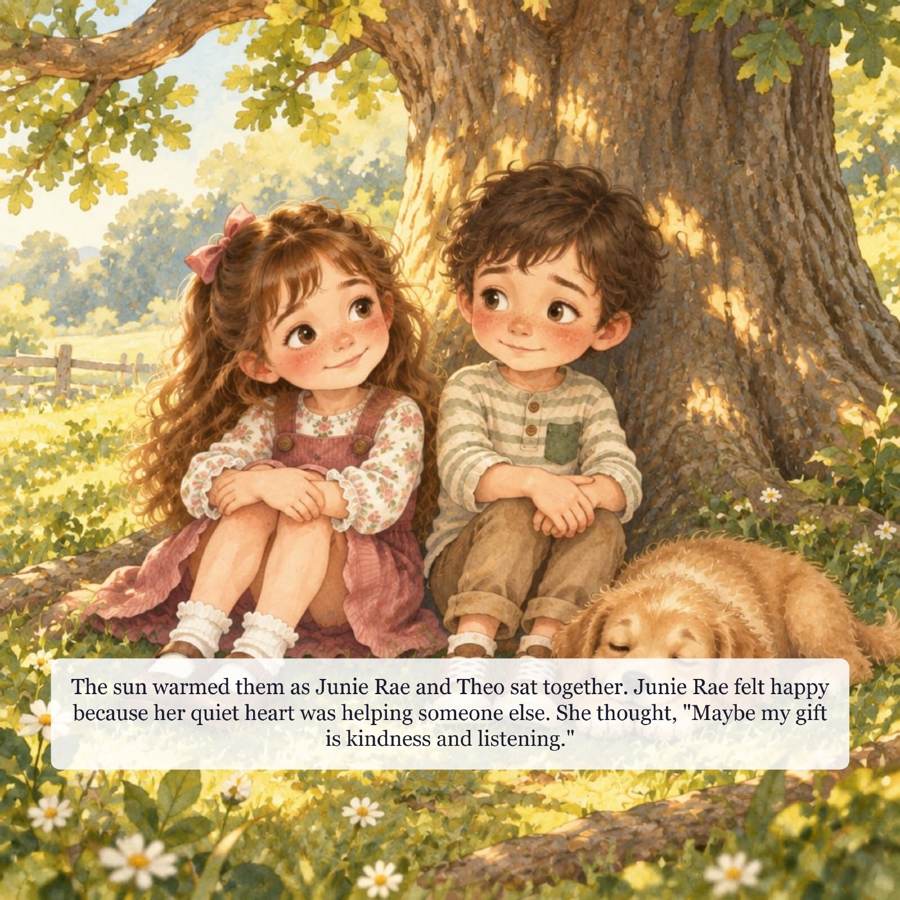
- Junie Rae and the Quiet Gift — A Story About Listening, Faith, and the Gift Only You Can Give

Browse the whole Pooshop101 bookshelf
All 22 Pooshop101 books — stories, coloring books, puzzles and activity books for kids, grown-ups and grandparents.
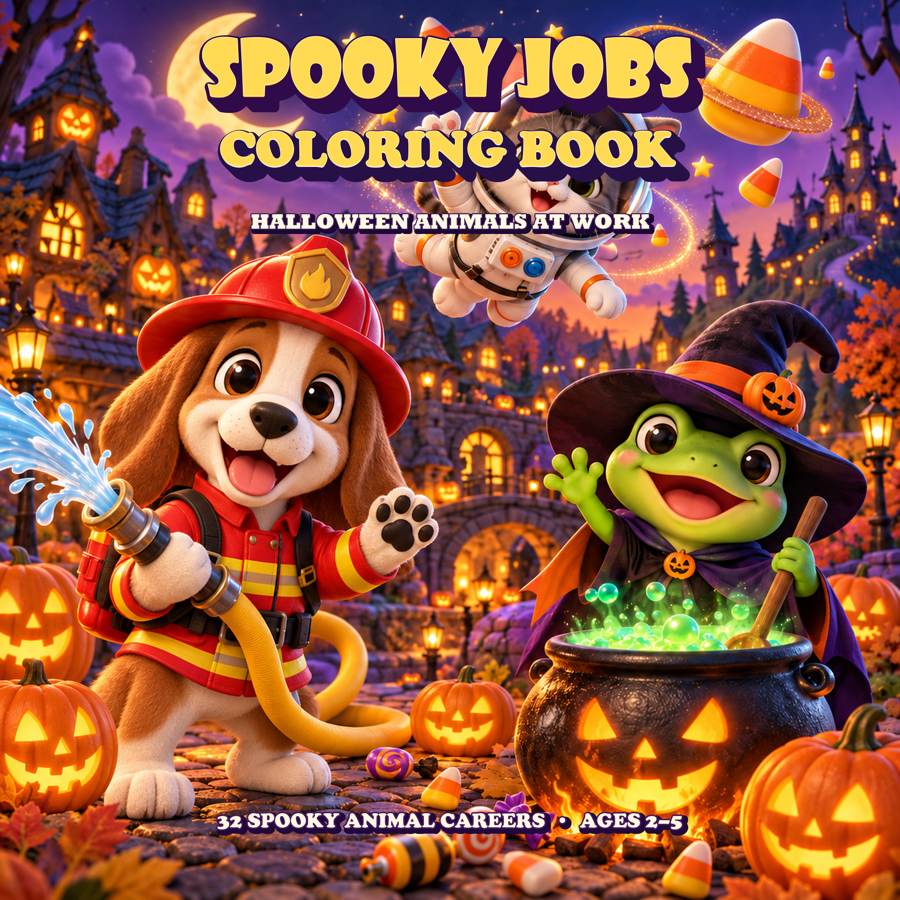
Spooky Jobs Coloring Book
Bold and Easy Cute Halloween Animals with Jobs for Toddlers and Kids Ages 2-5
See it on Amazon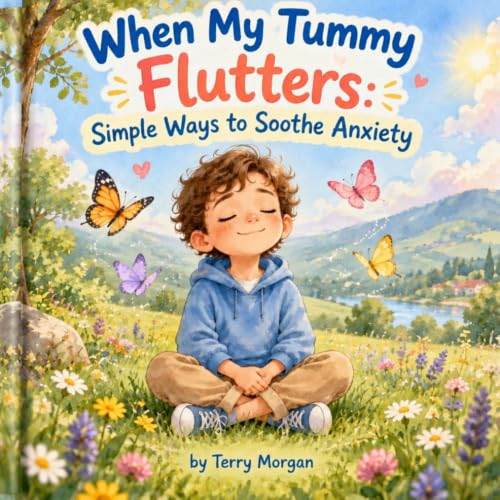
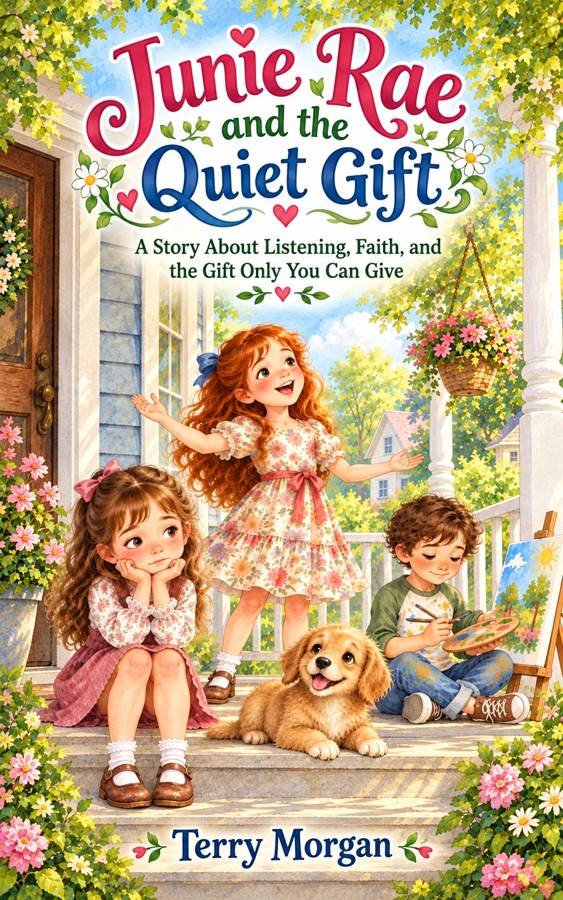
Junie Rae and the Quiet Gift
A Story About Listening, Faith, and the Gift Only You Can Give
See it on Amazon



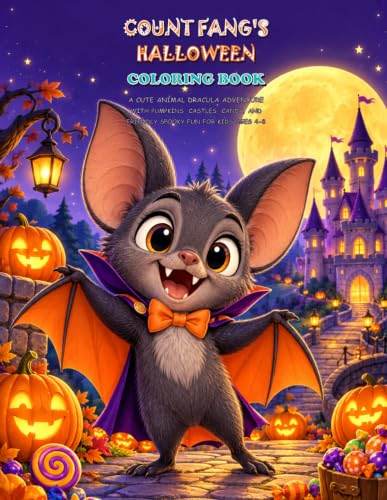
Count Fang's Halloween Coloring Book
A Cute Animal Dracula Adventure for Kids Ages 4-8
See it on Amazon
The Christmas Memory Lane Activity Book for Seniors
Large-print holiday memories, puzzles and conversation starters
See it on Amazon
World Sleuth Academy: The Vanishing Atlas
60 Detective Logic Puzzles for Kids Ages 8-12
See it on Amazon
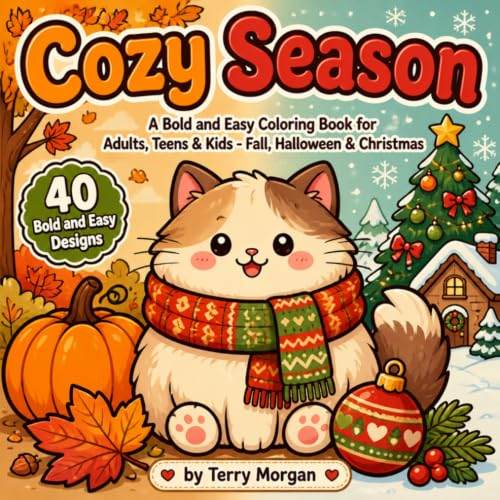
Cozy Season
A Bold and Easy Coloring Book for Adults, Teens & Kids — Fall, Halloween & Christmas
See it on Amazon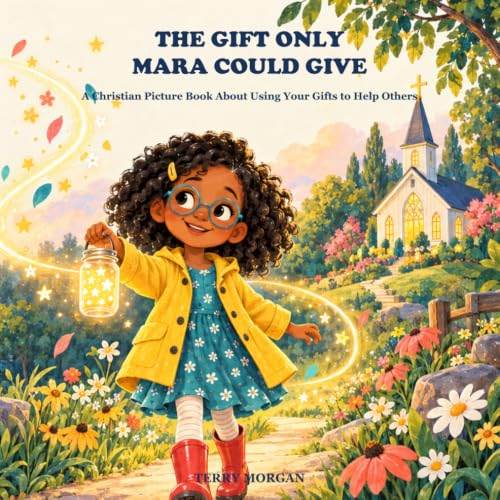


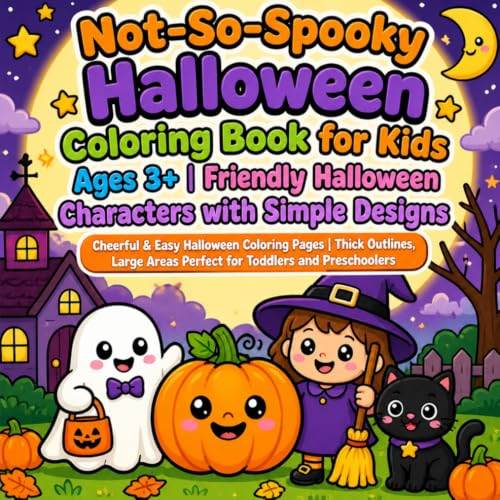
Not-So-Spooky Halloween Coloring Book
Friendly Halloween characters with simple designs for kids ages 3+
See it on Amazon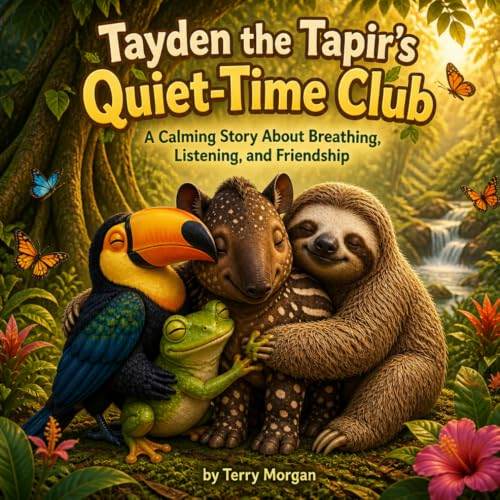
Tayden the Tapir's Quiet-Time Club
A Calming Story About Breathing, Listening, and Friendship
See it on Amazon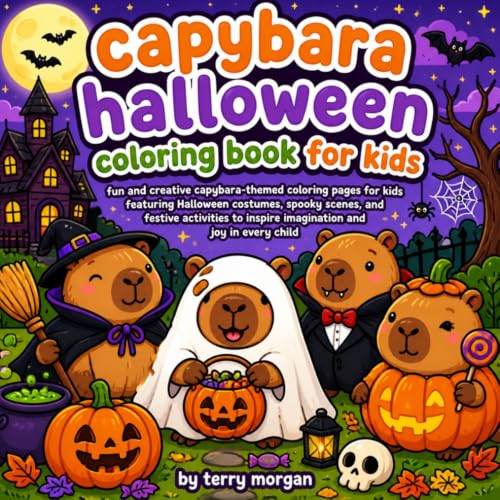
Capybara Halloween Coloring Book for Kids
Fun and creative capybara Halloween coloring pages
See it on Amazon
My First Christmas Dot Markers Activity Book
50 Big-Dot Holiday Pages for Toddlers Ages 2-4
See it on Amazon