Home › FEELINGS & CALM
FEELINGS & CALMHow to Stop Toddler Whining When Your Name Is on Repeat
Trying to stop toddler whining without shouting? Why the sound feels so big, what your child is really asking for, and calmer replies that help.
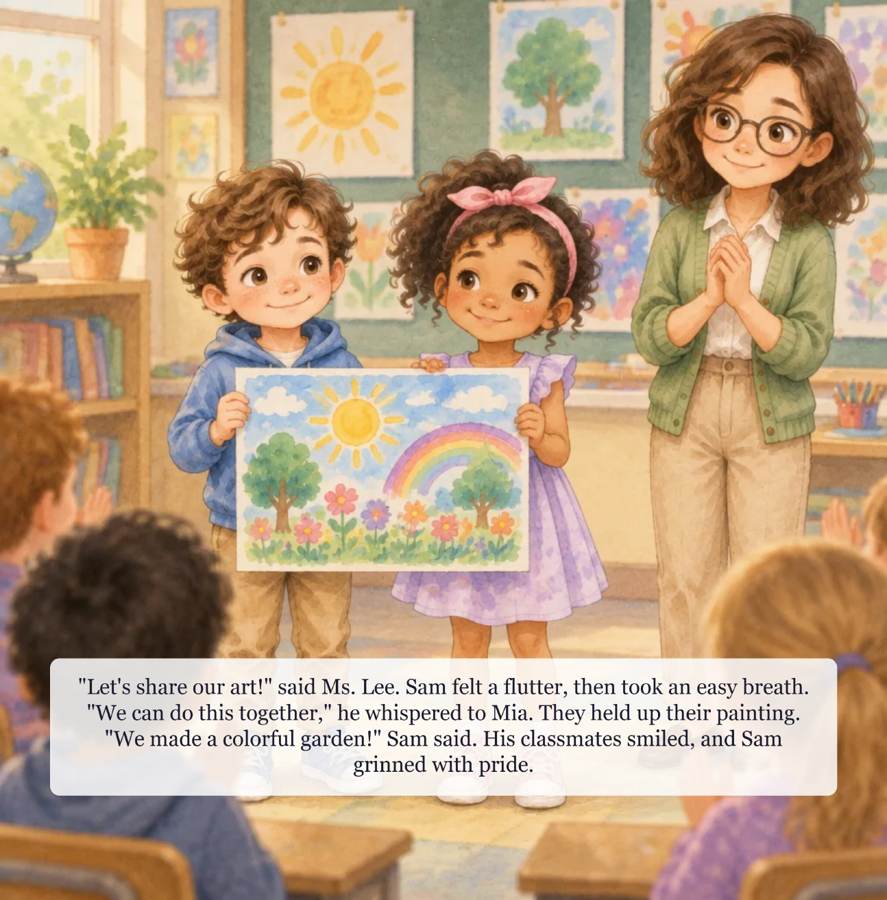
It starts while you are pouring coffee. ‘Mommy. Mommy. MOMMY.’ By the fourth round your shoulders are up by your ears, and you would give almost anything to stop toddler whining for just five quiet minutes. If that sound goes straight through you, you are not a bad parent. You are a tired human with a very persistent small person nearby.
Whining feels louder than its actual volume for a few honest reasons. It is repetitive, it is pitched to get attention, and it usually arrives when you are already stretched thin — cooking, working, helping another child, or trying to finish a thought. Your brain hears it not just as noise, but as a demand you cannot meet fast enough. That gap is where frustration rushes in.
What sits underneath the whine
Most toddlers do not whine because they have planned an annoying afternoon. They whine because the clearer words are not available yet, or because they are hungry, tired, overwhelmed, or unsure whether you really heard them. A whine is often a bridge: I have a big need, I do not have a tidy sentence for it, and this tone worked last time.
That does not mean you have to love the sound or give in to every request wrapped in it. It means the fastest way through is rarely to match the volume. When a child feels heard quickly, the need to escalate often softens. When they feel ignored or mocked, the whine usually gets longer, not shorter.
Gentle ways to stop toddler whining in the moment
- Get low and name it fast. Crouch, look at them, and say what you see: ‘You want the red cup and you are mad I picked the blue one.’ Being named accurately can lower the temperature before you solve anything.
- Answer the first ask, even if the answer is no. A clear ‘I hear you, and not right now’ works better than silence. Silence feels like a maybe, and a maybe invites another ten rounds.
- Offer a do-over voice. Try: ‘That voice is hard for my ears to understand. Can you show me with your regular voice? I will listen.’ Then listen fully when they try, even imperfectly.
- Check the basics without a lecture. Snack, water, toilet, rest, a cuddle. So many whiny spirals are a body need wearing a noisy costume.
- Give a small, real choice. Not ‘stop or else,’ but ‘Do you want to tell me here or on the couch?’ Choice restores a little control without handing over the whole decision.
What to skip, even when you are desperate
Imitating the whine back rarely teaches what parents hope it will. To an adult it feels like a mirror; to a toddler it can feel like teasing, and the crying that follows is louder than the whine you started with. Long explanations do not land much better. In the middle of a feeling, a three-year-old cannot process a paragraph about tone, manners, and your long day, however true all of it is.
Threats can stop the sound for a minute and cost you more later. If a child learns that connection disappears when they sound needy, they may get quieter around you without actually getting calmer or more capable. The goal is not a silent child. The goal is a child who gradually learns that plain words, patience, and asking directly work in this house.
Building the quieter habit over time
Notice the moments when your child asks well and respond warmly and promptly when you can. That is not spoiling. That is teaching: this is the voice that gets my attention fastest. Keep your own response short and consistent for a week before deciding a strategy has failed. Toddlers test whether the new pattern is real, especially if the old one used to work.
It also helps to plan for the predictable whine windows — the wait at the doctor, the last ten minutes before dinner, the car ride home. A small snack, a familiar book, or a silly job to do (‘Can you hold this very important spoon?’) will not fix everything, but prevention is kinder than another round of correction when everyone is already depleted.
Books that make big feelings smaller
Stories give children language they can borrow later. When My Tummy Flutters: Simple Ways to Soothe Anxiety helps little ones name that fluttery, unsettled feeling and try simple ways to settle. Tayden the Tapir’s Quiet-Time Club is a calming story that models slowing down and finding a peaceful corner when the world feels like too much. For a gentler bedtime or quiet moment, Junie Rae and the Quiet Gift offers a soft, reflective read that pairs well with practising calmer voices together.
You will not stop every whine, and you do not need to. Some days the best win is keeping your own voice steady, saying the same kind boundary twice, and getting through the grocery list anyway. Over weeks, those small, steady responses add up. Your child is learning how to ask. You are learning how to hear them without losing yourself in the noise. Both of those things take practice, and both are worth it.

Books from our shelf that fit this article
- When My Tummy Flutters — Simple Ways to Soothe Anxiety
- Tayden the Tapir's Quiet-Time Club — A Calming Story About Breathing, Listening, and Friendship
- Junie Rae and the Quiet Gift — A Story About Listening, Faith, and the Gift Only You Can Give

Browse the whole Pooshop101 bookshelf
All 22 Pooshop101 books — stories, coloring books, puzzles and activity books for kids, grown-ups and grandparents.
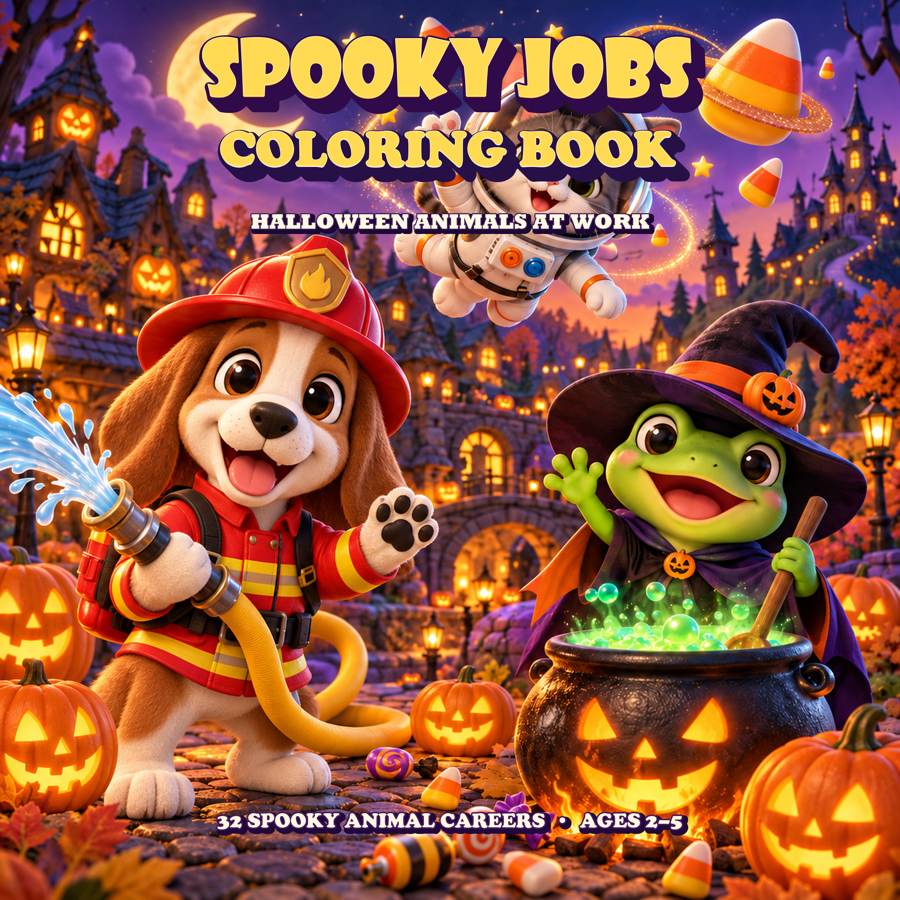
Spooky Jobs Coloring Book
Bold and Easy Cute Halloween Animals with Jobs for Toddlers and Kids Ages 2-5
See it on Amazon
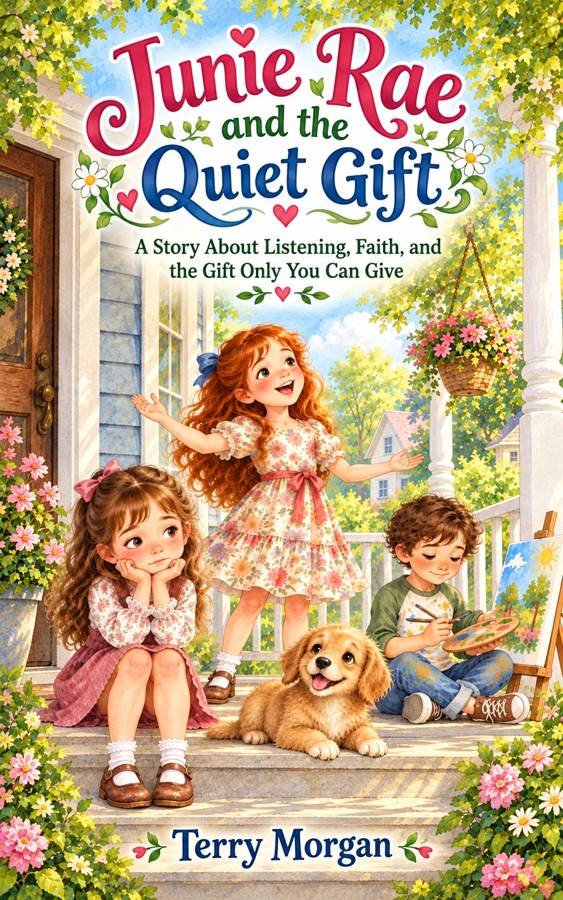
Junie Rae and the Quiet Gift
A Story About Listening, Faith, and the Gift Only You Can Give
See it on Amazon
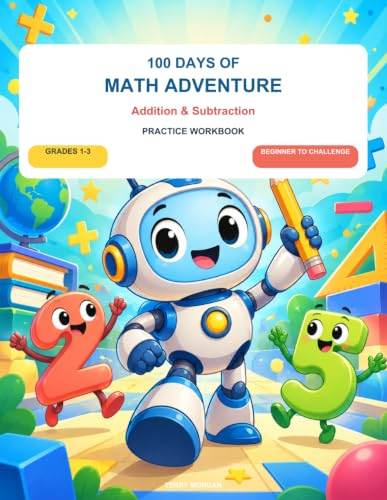


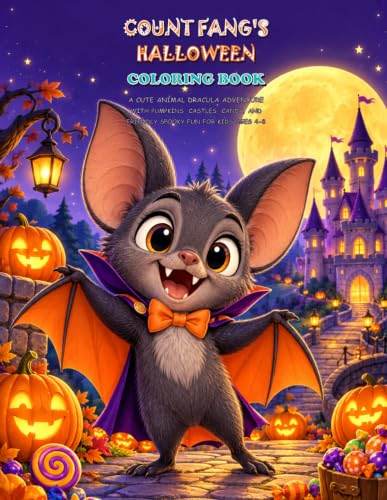
Count Fang's Halloween Coloring Book
A Cute Animal Dracula Adventure for Kids Ages 4-8
See it on Amazon
The Christmas Memory Lane Activity Book for Seniors
Large-print holiday memories, puzzles and conversation starters
See it on Amazon
World Sleuth Academy: The Vanishing Atlas
60 Detective Logic Puzzles for Kids Ages 8-12
See it on Amazon

Cozy Season
A Bold and Easy Coloring Book for Adults, Teens & Kids — Fall, Halloween & Christmas
See it on Amazon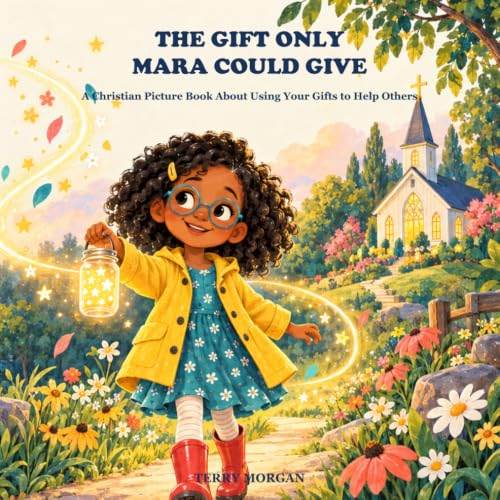


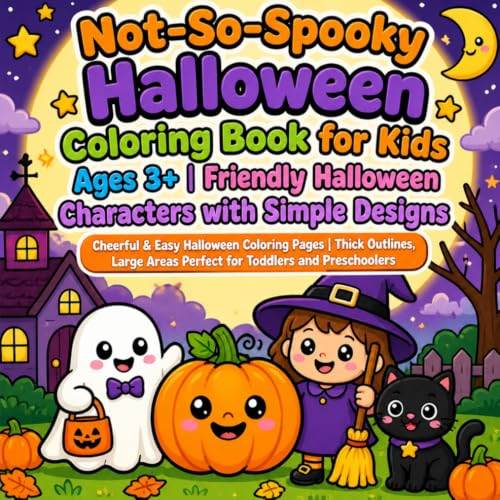
Not-So-Spooky Halloween Coloring Book
Friendly Halloween characters with simple designs for kids ages 3+
See it on Amazon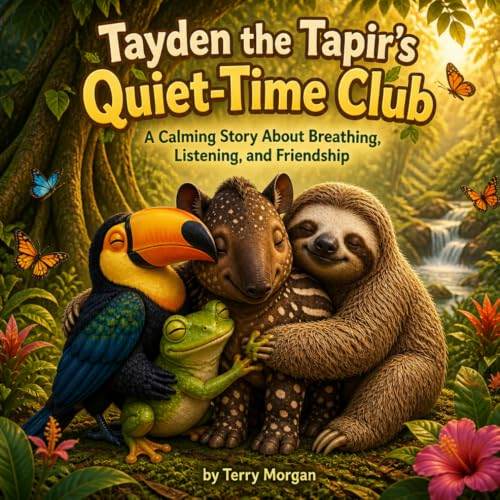
Tayden the Tapir's Quiet-Time Club
A Calming Story About Breathing, Listening, and Friendship
See it on Amazon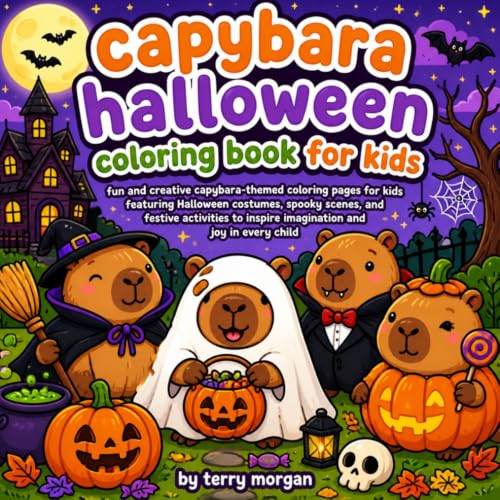
Capybara Halloween Coloring Book for Kids
Fun and creative capybara Halloween coloring pages
See it on Amazon
My First Christmas Dot Markers Activity Book
50 Big-Dot Holiday Pages for Toddlers Ages 2-4
See it on Amazon