Home › PLAY & FOCUS
PLAY & FOCUSIndependent Play for Toddlers: Building Up to Twenty Screen-Free Minutes
Independent play for toddlers is a skill you can build in tiny steps. How to start with two minutes, set up invitations, and reach twenty calm minutes.

Twenty minutes sounds so small until you try to get it. You set your toddler up with toys, sit down with your coffee, and forty seconds later there is a small hand on your knee. Building independent play for toddlers is not about finding a magical toy that hypnotises them. It is about stamina — theirs and yours — and stamina grows in tiny, repeatable steps.
Start embarrassingly small
If your child currently plays alone for two minutes, your first goal is three, not twenty. Set them up, stay nearby, and quietly celebrate when the stretch grows. Children who are used to an adult as play partner, entertainer, and narrator have to learn that play can run on its own fuel. That learning is gradual, and rushing it usually backfires into clingier behaviour, not less.
Pick the same easy window each day — after breakfast is a classic, when bellies are full and energy is bright but not wild. Same time, same corner, same kind of setup. Predictability does half the teaching for you. Your child begins to expect this pocket of the day, and expectation turns into habit.
Set the stage, then step back
- Fewer toys, chosen well. A floor buried in options overwhelms. Offer a small selection: blocks, a few figures, a basket of scarves or boxes. Rotate weekly to keep old toys feeling new.
- Make an invitation, not an assignment. Set up a tiny scene — animals lined up at a ‘vet’, crayons beside fresh paper — and leave it to be discovered. A started story is easier to join than a blank one.
- Stay close at first. Fold laundry in the same room. Your presence is the safety net that lets them forget about you for stretches. Distance comes later; trust comes first.
- Resist narrating and fixing. When a tower falls, wait. When they look up, smile. Problem-solving and boredom-tolerance grow in the gaps adults usually fill.
What to do when they come back after ninety seconds
They will. The return trip is not failure; it is a check-in. Keep your response warm and brief: ‘You built a tall one. I am finishing this, then I will come see.’ Avoid launching a whole new game together, which resets the clock and teaches that checking in upgrades the entertainment. A quick connection, a gentle redirect back, and your attention returns to your task. Over days, the check-ins space out.
Avoid starting independent play when your child is hungry, tired, unwell, or already unsettled from a big transition. That is asking the skill to perform at its hardest setting. Stack the odds: fed, rested, and in a familiar space, with you calm nearby. Calm is contagious in both directions.
Growing independent play for toddlers week by week
Think in rough stages. Week one: a few minutes, same room, simple open-ended toys. Week two: a little longer, with one ‘new’ element added to the familiar setup — water play at the sink, stickers, a cardboard box. Later: play while you step into the next room and back, calling out occasionally so your voice anchors them. There is no prize for speed. A child who reaches twenty minutes in two months has succeeded exactly as much as one who gets there in two weeks.
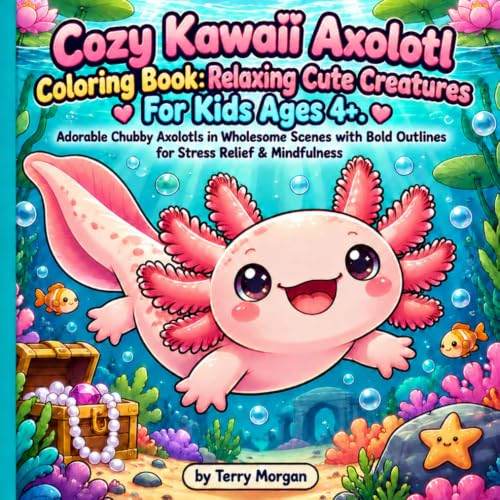
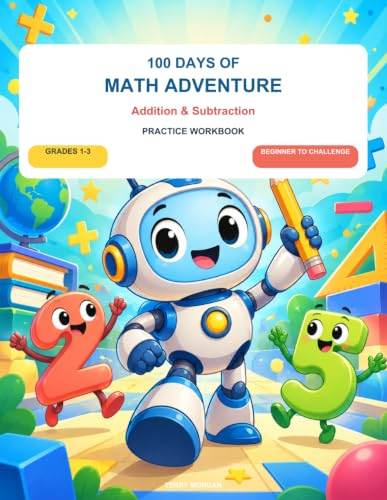
Colouring and simple workbooks are secret weapons here because they have a built-in rhythm: choose a page, settle in, finish something. The Cozy Kawaii Axolotl Coloring Book has friendly, uncluttered pages that suit short attention spans beautifully. For slightly older children, 100 Days of Math Adventure for Grades 1-3 turns practice into bite-size daily challenges a child can tackle semi-independently and proudly report back on.
Protect the win when it happens
When you get your first real twenty minutes, notice what made it work: the time of day, the setup, your distance, the snack before it. Write it down if you have to. That is your recipe, and recipes beat willpower. End the session while it is still going well sometimes, too — stopping on a success teaches your child that play time ends pleasantly, which makes starting again tomorrow easier.
And on the days it collapses in three minutes? Nothing has been ruined. Skills wobble around teeth, growth spurts, visitors, and bad nights. Tayden the Tapir’s Quiet-Time Club, a calming story about the joy of a quiet corner, makes a lovely bridge on those days — read it together, then try a short play stretch in the story’s honour. Twenty minutes is coming. It is being built right now, ninety seconds at a time.

Books from our shelf that fit this article
- Cozy Kawaii Axolotl Coloring Book — Relaxing Cute Creatures for Kids Ages 4+
- 100 Days of Math Adventure — Addition & Subtraction Practice Workbook for Grades 1-3
- Tayden the Tapir's Quiet-Time Club — A Calming Story About Breathing, Listening, and Friendship

Browse the whole Pooshop101 bookshelf
All 22 Pooshop101 books — stories, coloring books, puzzles and activity books for kids, grown-ups and grandparents.

Spooky Jobs Coloring Book
Bold and Easy Cute Halloween Animals with Jobs for Toddlers and Kids Ages 2-5
See it on Amazon
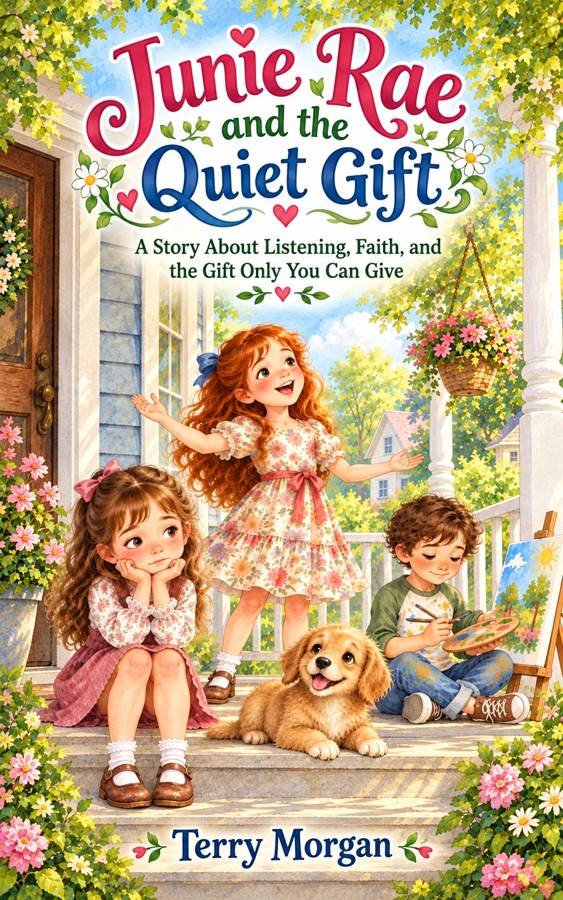
Junie Rae and the Quiet Gift
A Story About Listening, Faith, and the Gift Only You Can Give
See it on Amazon




Count Fang's Halloween Coloring Book
A Cute Animal Dracula Adventure for Kids Ages 4-8
See it on Amazon
The Christmas Memory Lane Activity Book for Seniors
Large-print holiday memories, puzzles and conversation starters
See it on Amazon
World Sleuth Academy: The Vanishing Atlas
60 Detective Logic Puzzles for Kids Ages 8-12
See it on Amazon

Cozy Season
A Bold and Easy Coloring Book for Adults, Teens & Kids — Fall, Halloween & Christmas
See it on Amazon



Not-So-Spooky Halloween Coloring Book
Friendly Halloween characters with simple designs for kids ages 3+
See it on Amazon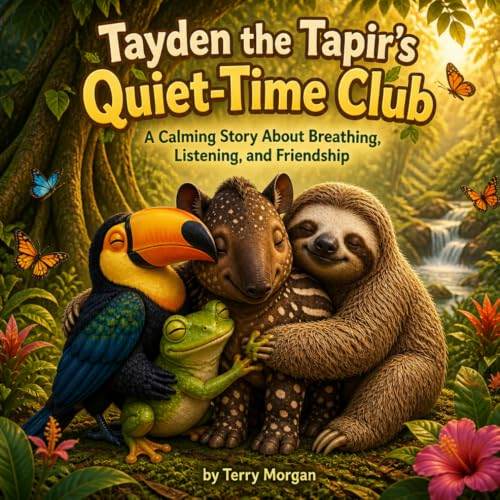
Tayden the Tapir's Quiet-Time Club
A Calming Story About Breathing, Listening, and Friendship
See it on Amazon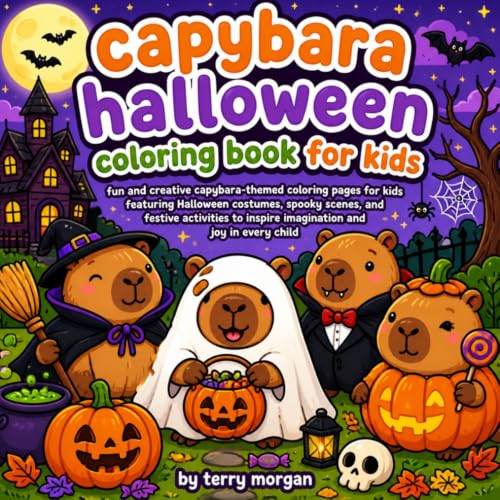
Capybara Halloween Coloring Book for Kids
Fun and creative capybara Halloween coloring pages
See it on Amazon
My First Christmas Dot Markers Activity Book
50 Big-Dot Holiday Pages for Toddlers Ages 2-4
See it on Amazon