Home › PUZZLE FUN
PUZZLE FUNLittle Detectives: Why Logic Puzzles for Kids Are Serious Brain Food
Logic puzzles for kids turn ages 8-12 into little detectives. Here's how clues, grids, and mysteries build focus, patience, and proud problem-solving.
Give a ten-year-old a mystery with three suspects, five clues, and one missing atlas, and watch a special kind of focus switch on. That focus is why logic puzzles for kids deserve a regular spot in the 8-to-12 years, right beside chapter books and bikes. They feel like play, because they are, and they quietly train the exact thinking school, sports, and life keep asking for.
How Logic Puzzles for Kids Build Real Thinking
A logic puzzle cannot be solved by guessing fast. It rewards a child for slowing down, holding clues in mind, testing an idea, and crossing out what cannot be true. That loop, notice, think, check, is the heart of problem-solving everywhere else: a math word problem, a science question, even figuring out which friend left a note in a locker.
Puzzles also build patience in a way lectures never will. A child who sticks with a hard grid for fifteen minutes has practiced frustration tolerance with a payoff at the end. And the payoff matters. Solving the final clue delivers a clean, earned I did it that no gold star can match.
Signs Your Child Is Ready
- They love asking why and how. Curiosity is the detective's first tool.
- They enjoy mysteries, codes, and riddles in books, shows, or games, and try to guess endings early.
- They can read a short set of clues independently and keep track of a simple chart or list.
- They get bored by work that is too easy and perk up when something makes them think twice.
If your child is younger but eager, start with picture-based puzzles and solve the first ones together. Modeling your thinking out loud, we know Mia was not at the beach, so I will cross that out, teaches the method better than any answer key.
Setting Up a Detective's Desk
Part of the fun is the ritual. A notebook for clues, a pencil that is only for puzzles, and a set time, after school with a snack, or Saturday morning before screens, turns a book into a headquarters. Let your child work in pen-and-paper form when you can. Crossing out, circling, and scribbling in margins are thinking made visible, and they keep the activity happily screen-free.
Resist rescuing too quickly. A hint is kind. The answer is theft. Try asking, which clue have you not used yet? That single question unsticks more detectives than any solution page.
Pair Puzzles With Math and Mystery Reading
Logic loves company. A child working through detective puzzles often warms up to math practice when it is framed as training, and mystery chapters at bedtime keep the detective identity alive between puzzle sessions.
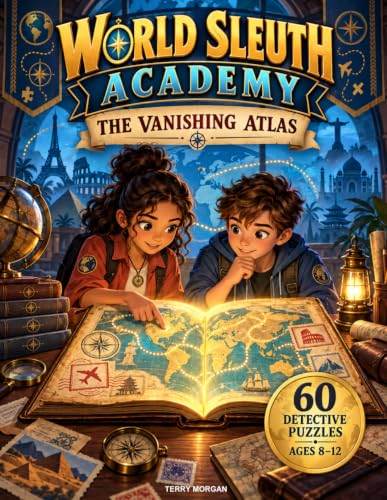
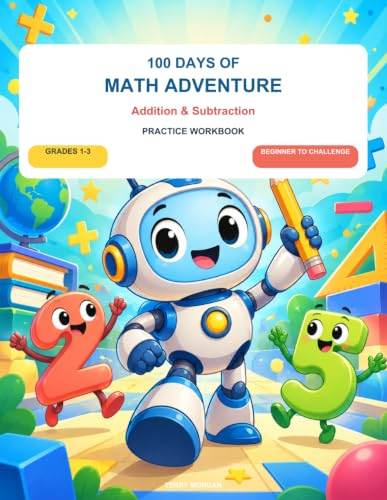
That is the mix we recommend. World Sleuth Academy: The Vanishing Atlas delivers 60 detective logic puzzles for ages 8-12 inside one globe-trotting mystery, perfect for a child who wants a case, not just a worksheet. 100 Days of Math Adventure, a workbook for Grades 1-3, suits younger siblings or builds number confidence alongside puzzling for kids still growing into bigger challenges. And Wild Monochrome: 120 Mystery Animals adds a guessing-game twist, with 120 mystery animals to identify, ideal for the animal-obsessed detective in training.
Making It Social
Detectives love an audience. Let your child set a puzzle for you and enjoy being the one who knows. Race a sibling on separate copies of the same page, winner makes hot chocolate. Or start a family case file on the fridge: one puzzle a week, everyone adds a clue deduction at dinner, and the great reveal lands on Sunday.
Start With One Case
You do not need a shelf of puzzle books to begin. One good set of logic puzzles for kids, a sharp pencil, and a Saturday morning will tell you quickly whether you have a detective on your hands. Most parents recognize the signs within a page or two: the hunched shoulders, the whispered wait, wait, and the triumphant announcement at the end. Brain food rarely looks this fun, or gets requested this loudly at breakfast.
Keep a small celebration ready for finished cases: a sticker on the case file, a photo of the completed page for grandparents, or the honor of choosing the next puzzle. Small detectives work hard for recognition, and a little ceremony tells them their thinking, not just their speed, is what your family values most.

Books from our shelf that fit this article
- World Sleuth Academy: The Vanishing Atlas — 60 Detective Logic Puzzles for Kids Ages 8-12
- 100 Days of Math Adventure — Addition & Subtraction Practice Workbook for Grades 1-3
- Wild Monochrome: 120 Mystery Animals — One Pen. Seven Marks. Infinite Wild.

Browse the whole Pooshop101 bookshelf
All 22 Pooshop101 books — stories, coloring books, puzzles and activity books for kids, grown-ups and grandparents.
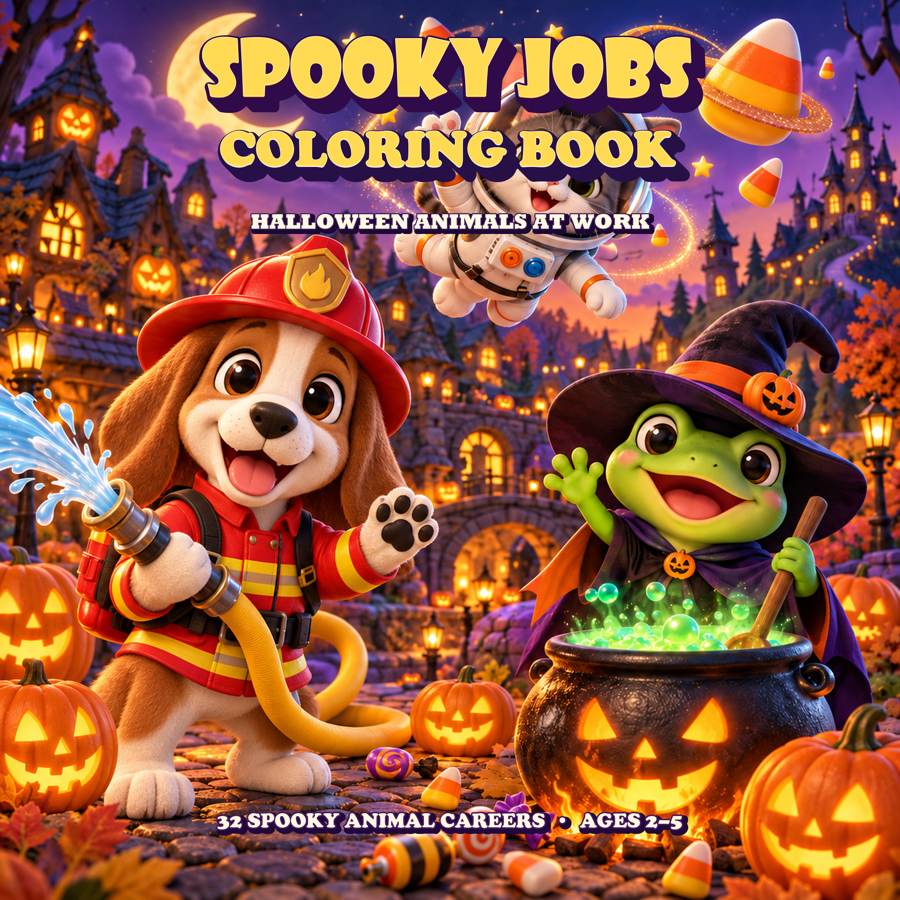
Spooky Jobs Coloring Book
Bold and Easy Cute Halloween Animals with Jobs for Toddlers and Kids Ages 2-5
See it on Amazon

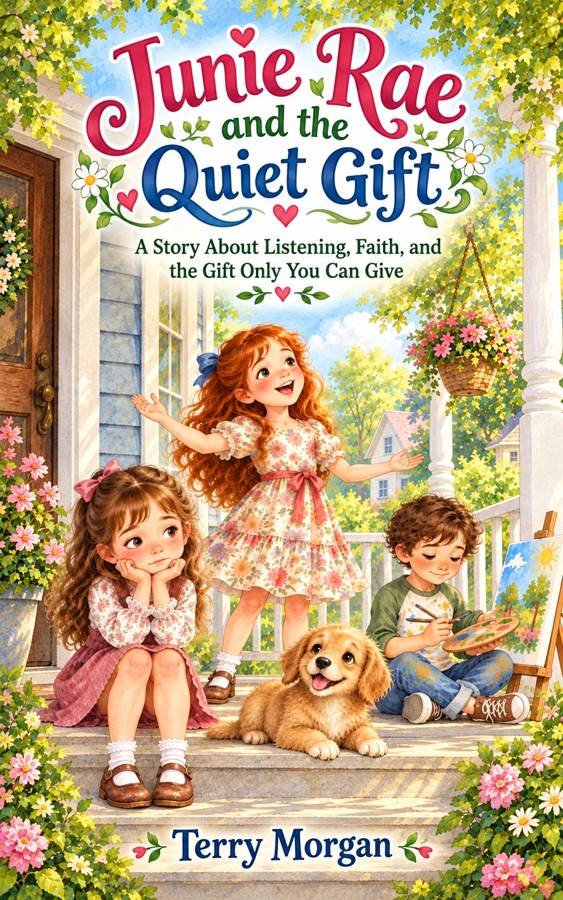
Junie Rae and the Quiet Gift
A Story About Listening, Faith, and the Gift Only You Can Give
See it on Amazon



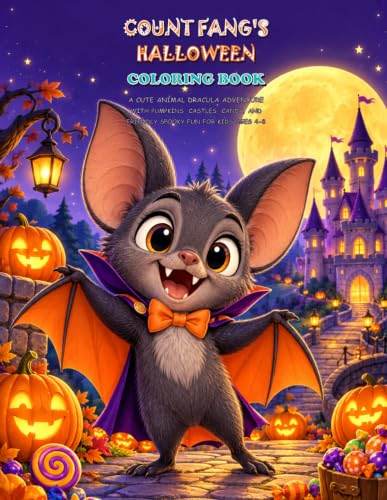
Count Fang's Halloween Coloring Book
A Cute Animal Dracula Adventure for Kids Ages 4-8
See it on Amazon
The Christmas Memory Lane Activity Book for Seniors
Large-print holiday memories, puzzles and conversation starters
See it on Amazon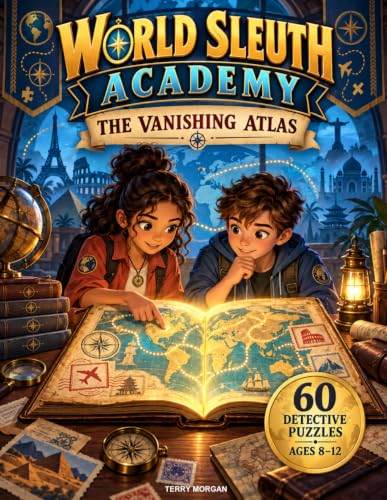
World Sleuth Academy: The Vanishing Atlas
60 Detective Logic Puzzles for Kids Ages 8-12
See it on Amazon

Cozy Season
A Bold and Easy Coloring Book for Adults, Teens & Kids — Fall, Halloween & Christmas
See it on Amazon



Not-So-Spooky Halloween Coloring Book
Friendly Halloween characters with simple designs for kids ages 3+
See it on Amazon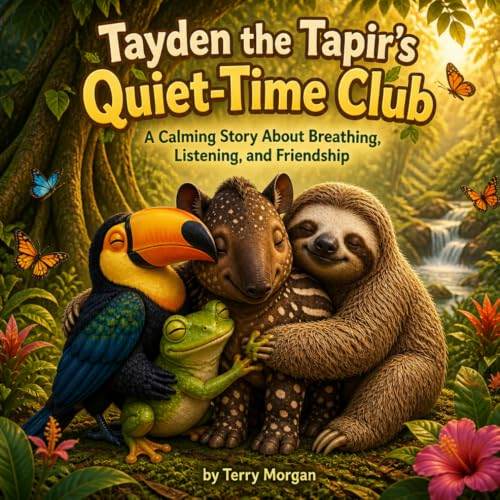
Tayden the Tapir's Quiet-Time Club
A Calming Story About Breathing, Listening, and Friendship
See it on Amazon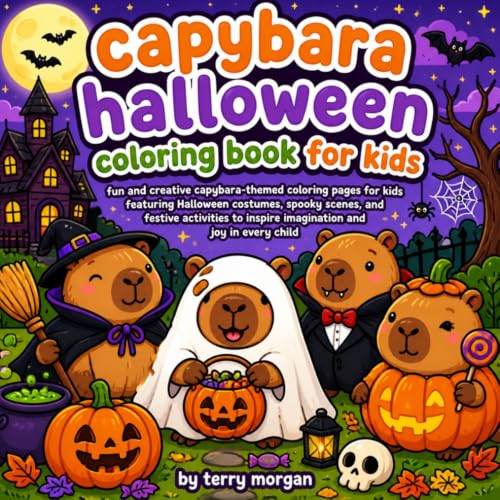
Capybara Halloween Coloring Book for Kids
Fun and creative capybara Halloween coloring pages
See it on Amazon
My First Christmas Dot Markers Activity Book
50 Big-Dot Holiday Pages for Toddlers Ages 2-4
See it on Amazon