Home › FEELINGS & CALM
FEELINGS & CALMScreen-Free Quiet Time: How Slow Stories Help Busy Brains Settle
Screen-free quiet time gives busy brains a chance to settle. Learn how slow stories, a cozy corner, and a simple daily rhythm can calm your home.

The house is loudest right before dinner. Someone is hungry, someone is bouncing, and every brain, including yours, feels a little buzzy. That buzzy hour is exactly where screen-free quiet time earns its keep. Not as a punishment, not as a perfect parenting project, but as a daily pause that lets busy brains downshift the way a car coasts to a stop instead of slamming the brakes.
What Screen-Free Quiet Time Actually Is
It is a short, protected pocket of the day when screens go dark and the pace drops on purpose. Fifteen to thirty minutes is plenty to start. Nobody has to sleep. Nobody has to be silent. The ingredients are simple: a defined spot, a few calm choices, and an ending everyone can predict.
Think of it as a landing strip between the busy parts of the day. After school, before dinner, or in the long stretch before bedtime are natural places to land it, because those transitions are when children, and parents, are most likely to unravel.
Why Slow Stories Work So Well
A slow story asks very little of a tired brain. The plot moves gently, the language is soft and repetitive in a good way, and nothing jumps out to spike excitement back up. Listening gives restless hands a rest while the imagination does quiet work, picturing a tapir's clubhouse or a small gift given kindly.
Stories also carry a built-in ending. A chapter closes, a picture book finishes, and the body learns that calm has a shape. Compare that to the endless scroll of a video feed, which is designed to never quite end, and you can feel why slow stories settle children in a way screens rarely do.
Setting Up a Quiet Corner That Gets Used
- Same spot every day. A beanbag, a blanket fort corner, or one end of the couch. Familiarity does half the calming work.
- A small basket, not a toy store. Two or three books, one coloring book with pencils, maybe a stuffed friend. Too many choices restart the buzz.
- Soft light and low sound. A lamp instead of overheads. Quiet music if it helps your family, or plain, underrated silence.
- A visible timer for beginners. Watching sand fall or a clock shrink gives children proof that quiet time ends, which makes starting easier.
Starting Without a Fight
Announce it as something the whole family does, because it is. Parents reading their own book nearby turns quiet time from a child rule into a house rhythm. Start with ten minutes if thirty feels impossible, and protect the ending celebration: a stretch, a snack, a quick share of a favorite page.
Some days will flop. A child will spend the whole time announcing how bored they are. That is fine, and honestly, a little boredom is part of the medicine. A brain that gets bored in a cozy corner will start inventing, humming, and eventually, settling.
Books Made for the Quiet Basket
We keep the basket stocked with reads that end softer than they begin. Tayden the Tapir's Quiet-Time Club is a calming story that practically teaches the ritual while you read it. Junie Rae and the Quiet Gift suits tender, reflective moods and reads beautifully at a slow pace. On days when worry is the thing buzzing, When My Tummy Flutters: Simple Ways to Soothe Anxiety gives children gentle language and simple ideas for fluttery feelings.
Rotate one book a week to keep the basket feeling fresh without buying anything new. Familiar favorites are features, not bugs. Rereading is calming precisely because the brain knows what is coming.
A Calmer Hour, Most Days
Screen-free quiet time will not transform your home in a weekend, and it does not need to. It is a small, repeatable kindness: screens off, stories slow, bodies near each other but at rest. Over weeks, families often notice the buzzy hour gets shorter and the evenings start gentler. Begin tomorrow with ten minutes, one basket, and a slow story. Let your own brain settle too. You have earned the same quiet you are offering your kids.
On weekends, the same basket can travel to a grandparent's house, a waiting room, or the back seat for a long drive. Because the routine is familiar, children settle faster in new places, and you get a calm tool that does not need charging, Wi-Fi, or a password you forgot months ago.

Books from our shelf that fit this article
- Tayden the Tapir's Quiet-Time Club — A Calming Story About Breathing, Listening, and Friendship
- Junie Rae and the Quiet Gift — A Story About Listening, Faith, and the Gift Only You Can Give
- When My Tummy Flutters — Simple Ways to Soothe Anxiety

Browse the whole Pooshop101 bookshelf
All 22 Pooshop101 books — stories, coloring books, puzzles and activity books for kids, grown-ups and grandparents.

Spooky Jobs Coloring Book
Bold and Easy Cute Halloween Animals with Jobs for Toddlers and Kids Ages 2-5
See it on Amazon

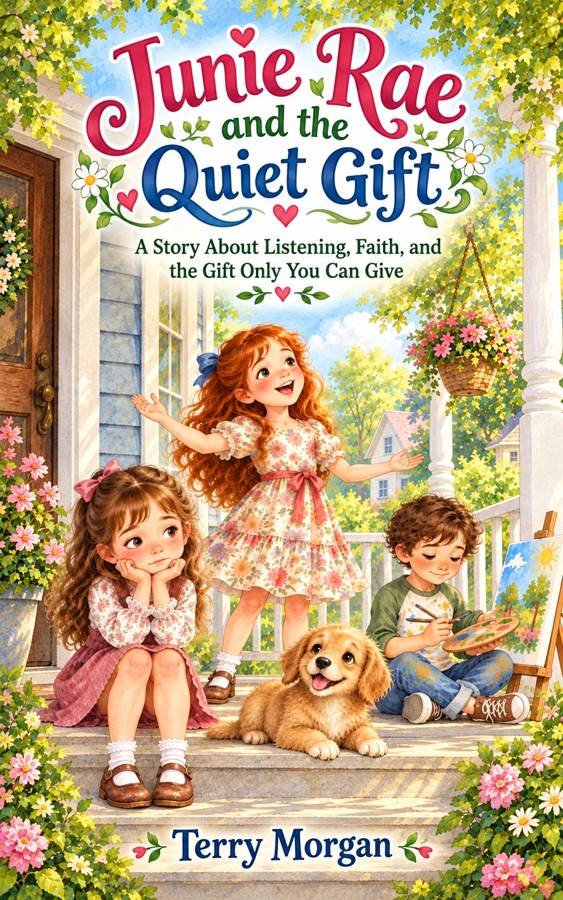
Junie Rae and the Quiet Gift
A Story About Listening, Faith, and the Gift Only You Can Give
See it on Amazon




Count Fang's Halloween Coloring Book
A Cute Animal Dracula Adventure for Kids Ages 4-8
See it on Amazon
The Christmas Memory Lane Activity Book for Seniors
Large-print holiday memories, puzzles and conversation starters
See it on Amazon
World Sleuth Academy: The Vanishing Atlas
60 Detective Logic Puzzles for Kids Ages 8-12
See it on Amazon

Cozy Season
A Bold and Easy Coloring Book for Adults, Teens & Kids — Fall, Halloween & Christmas
See it on Amazon



Not-So-Spooky Halloween Coloring Book
Friendly Halloween characters with simple designs for kids ages 3+
See it on Amazon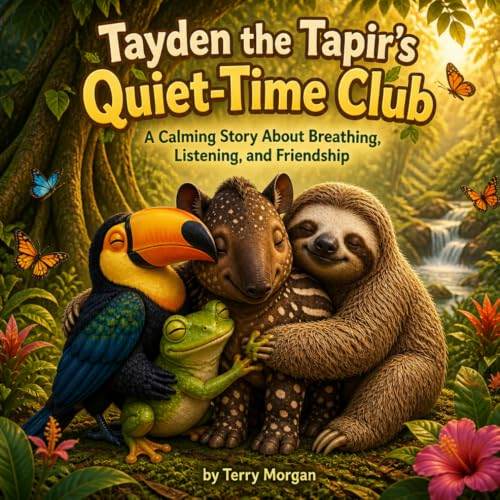
Tayden the Tapir's Quiet-Time Club
A Calming Story About Breathing, Listening, and Friendship
See it on Amazon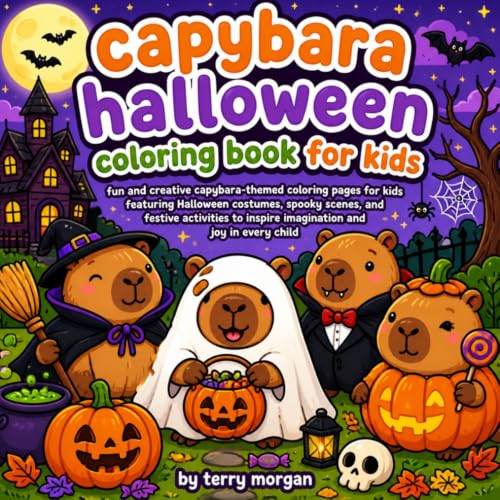
Capybara Halloween Coloring Book for Kids
Fun and creative capybara Halloween coloring pages
See it on Amazon
My First Christmas Dot Markers Activity Book
50 Big-Dot Holiday Pages for Toddlers Ages 2-4
See it on Amazon